The cellar logs every punch. Nothing logs the fix to a short break.
MicroForensics, built for California wineries and food/beverage manufacturers whose fixed shifts and compressed crush weeks make the fifth hour predictable — and whose wall clocks record punches, not sign-off. California already requires the time record, the heat plan, and the training file. What it also requires is the part most operators miss: the fix entered beside the issue it corrects. A cellar supervisor is alerted to a short break and gets it taken while the shift is still open — and when a lawyer's letter demanding records arrives, your own authorized custodian of records answers it from one place, the §3396 heat plan and the training file with it. Runs on top of the time clocks and payroll bureau you already use; nothing new for production or cellar crews to learn.
Free · 30 minutes · a fit conversation, not a sales call. If the diagnostic isn’t worth doing, we’ll tell you.
This page shows how it works in your industry. For the full walkthrough — the statute text, how we close a missed break, what the record actually contains — see MicroForensics.
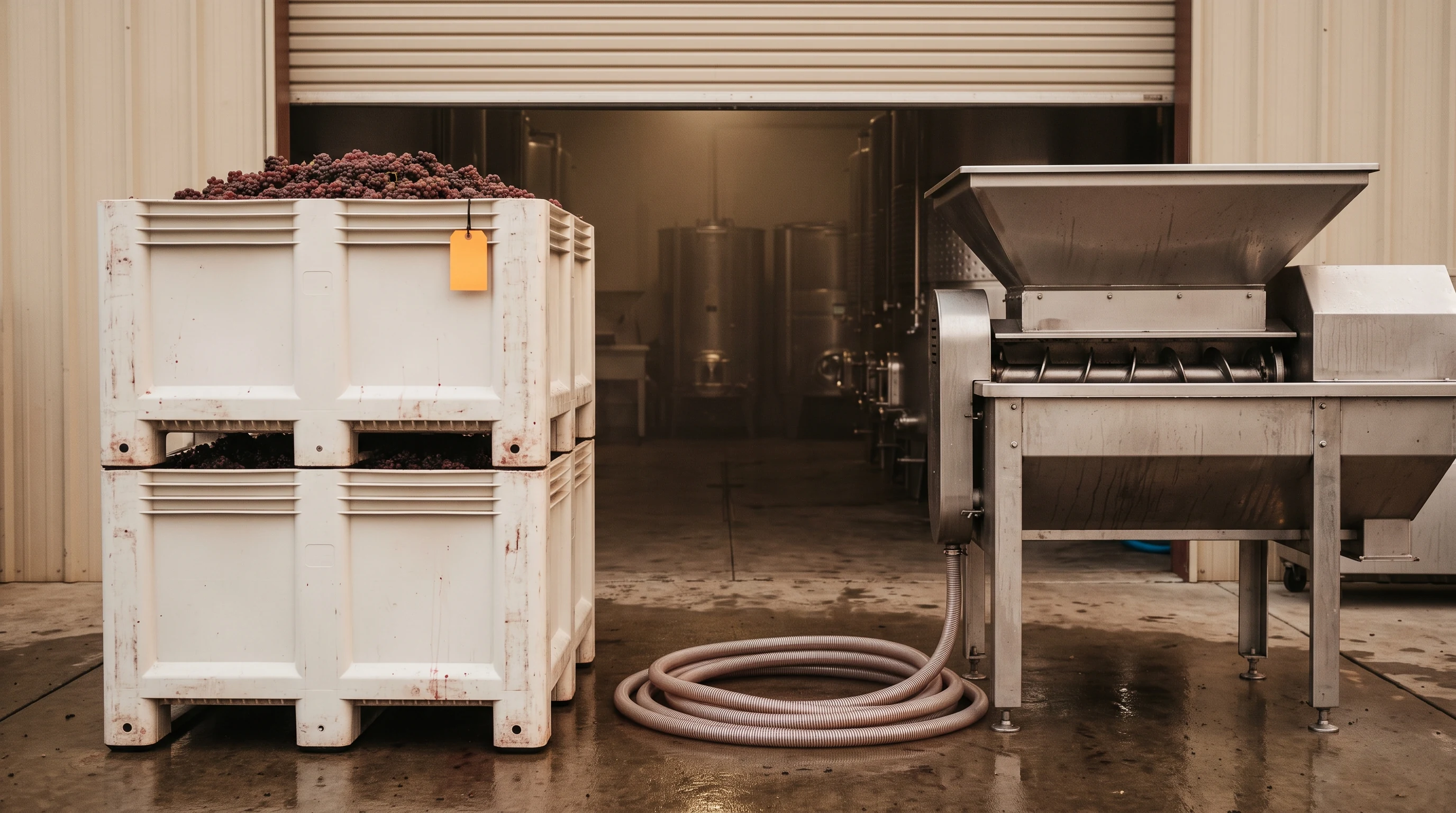
Three structural reasons the cellar and production-floor record goes quiet.
- 01
The fifth hour arrives on schedule.
Fixed production shifts make the fifth-hour window predictable — and harvest compresses it further, across second shifts and six-day crush weeks. Donohue v. AMN Services (Cal. 2021) presumes a violation when time records show missed, short, or late meal periods. On a fixed schedule, a real-time alert lands on a supervisor who can actually act — before the violation, instead of after the pay run.
- 02
The wall clock records punches, not sign-off.
Timekeeping here is wall-clock and payroll-bureau equipment — the punch data MicroForensics reads from, with the per-pay-period attestation added beside it. The clock shows in and out; nobody records whether the 30-minute meal actually happened, duty-free and on time. A silent record reads as violations, employee by employee, pay period by pay period — and for Spanish-primary production and cellar crews, it is the bilingual attestation that carries evidentiary weight.
- 03
Heat reached the cellar in 2024.
Cal/OSHA's indoor heat standard (8 CCR §3396, effective July 23, 2024) reaches production floors, cellars, and un-air-conditioned warehouse space; §3395 already covered outdoor harvest crews. Each requires a written plan and training, and the IIPP requires the training to be documented (8 CCR 3203(b)(2)) and every hazard found to be recorded with the correction made (3203(b)(1)). You owe those records whether or not anyone helps you keep them. The half that goes missing is the correction.
What we build on, and what we add.
- Timekeeping & payroll
Wall clocks & payroll bureaus
Badge and PIN punch clocks on the production floor, and the payroll bureau — ADP, Paychex, Gusto, or a regional service — that processes the file. We consume the punch data as-is, by API where one exists and by export where one doesn't. Crews keep clocking exactly the way they do today.
- Production & cellar
Work orders & batch records
InnoVint or Vintrace in the cellar — work orders, tank moves, lot histories, TTB filings — and batch and sanitation records on a food or beverage line. These systems prove what the crew did. We leave them alone and add the record the wage question needs: the employee's per-pay-period sign-off that breaks happened and hours are right.
- Compliance overlays
Heat, piece-rate & bilingual flow
§3396 indoor heat for the floor, cellar, and warehouse; §3395 for outdoor harvest crews; §226.2 recovery-time attestation for piece-rate picking; and the meal- and rest-break flow itself — bilingual (EN/ES) by default, per pay period, timestamped.
We build the connector for your stack — by API where one exists, by export, SFTP, or structured manual entry where one doesn’t — scoped and priced in the records diagnostic.
Harvest adds its own overlays to the same per-period surface: piece-rate picking triggers Labor Code §226.2 — rest and recovery time paid separately — while §3395 covers outdoor crews the way §3396 covers the cellar. And the record follows the W-2: MicroForensics attests the crews you employ directly; FLC- and temp-agency-supplied harvest labor carries its own employer's record.
One production package. Hours, not weeks.
A lawyer’s letter demanding records usually arrives before any lawsuit does, and a §2699 PAGA notice after it. When the letter lands, the authorized custodian of records on your team — not Floburn — exports one production package in hours, not weeks, and authenticates it as the person who has held it all along.
An alert reaches the foreman or dispatcher while the shift is still open, carrying what to do and what to enter — so the break gets taken rather than a premium owed. Entries are captured as the shift happens — timestamped, signature-captured, tamper-evident — not assembled after a claim lands. Payroll, timekeeping, HR, and safety are reconciled into one record, so production is an export from one place rather than a search across several: the payroll records, the timecards with each short break and the premium paid beside it, the written policy your crews acknowledged and each dated per-period sign-off — on a cadence of its own, decoupled from the payroll run — the training completions, and the hazard, heat, and incident records. The records that can go into the package are inventoried with you in the records diagnostic.
The package exists before the letter does — the timeline is a property of how the record is kept, not a promise about your matter. No outcome is guaranteed; every matter turns on its facts.
How production works→What employers in your industry ask us first.
01Can we be live before crush? Our production headcount surges at harvest.
Implementation runs two to four weeks from records diagnostic to go-live, depending on how many systems we're connecting — a spring or early-summer start clears the calendar comfortably. Seasonal ramp is what the cadence is built for: every new production, cellar, or warehouse hire enters the bilingual attestation flow on their first pay period, and the record accrues through second shifts and six-day crush weeks. If crush is already underway, the record starts at the current period — it is contemporaneous by design, and earlier periods cannot be attested after the fact.
02We log everything in InnoVint (or Vintrace) — work orders, tank moves, additions. Doesn't that show compliance?
It shows production, not wage-and-hour compliance. Cellar software proves what the crew did — work orders, lot histories, TTB filings. It answers a production question. The wage-and-hour record is a different document, and that is what we add: the employee's own contemporaneous sign-off that meal and rest breaks were taken and hours are right, with the exception noted and the premium paid where they weren't. No California court has yet held that an employee attestation rebuts the Donohue v. AMN Services presumption, and we don't claim otherwise — what the record removes is the silence the presumption feeds on. Separately, Labor Code §2699(g) caps PAGA civil penalties at 15 percent where the employer took all reasonable steps before a notice arrives, and §2699(h) at 30 percent for remediation within 60 days after; the court decides whether the steps were enough.
03Our harvest crews come through an FLC. Whose record is that?
The record follows the W-2. MicroForensics attests the employees you pay directly — production, cellar, bottling, and warehouse crews — every pay period, in English or Spanish. Workers supplied by a farm labor contractor or temp agency are on that contractor's payroll, and their attestation record belongs to the employer who issues their W-2. The diagnostic maps which populations are yours, so coverage matches the workforce you actually employ.
04We're on a wall clock and a payroll bureau — no HR department. Can you even integrate with that?
Yes — that is the typical setup here. Where a system has an API we use it; where it doesn't, punch data flows in through exports, SFTP, or structured manual entry, all landing on the same audit trail. Crews without smartphones attest on paper or over SMS, in English or Spanish, and no one learns new software mid-shift. The office manager or controller becomes the audit-trail owner — most operators at this size have no dedicated HR, and the system is built for that.
Free 30-minute discovery call.
Tell us about your timekeeping and payroll stack, your headcount, and what’s prompting the conversation. We’ll tell you whether the records diagnostic makes sense, which way to run it — standard, or through your lawyer — and what to expect if you proceed.
Free · 30 minutes · a fit conversation, not a sales call. If the diagnostic isn’t worth doing, we’ll tell you.
Floburn Inc. is not a law firm and does not provide legal advice. Counsel advises Floburn on system design and does not represent your company; retain your own counsel for advice specific to your situation.