California requires a time record for the staff the teacher exemption misses.
MicroForensics, built for heads of school and business officers at mid-size California private schools — single-campus employers. The exposure isn’t the faculty; it’s the hourly staff: aides, aftercare, custodial, food service, front office. California already requires their time record, and the campus workplace violence plan, training, and log besides. What it also requires is the fix entered beside the issue it corrects. A business officer is alerted to a short break and gets it taken while the shift is still open — and when a lawyer’s letter demanding records arrives, your own authorized custodian of records answers it from one place, the SB 553 plan and log with it. Runs on the generic payroll timeclock the school already uses — FACTS and Blackbaud stay untouched.
Free · 30 minutes · a fit conversation, not a sales call. If the diagnostic isn’t worth doing, we’ll tell you.
This page shows how it works in your industry. For the full walkthrough — the statute text, how we close a missed break, what the record actually contains — see MicroForensics.
Three structural reasons private-school records fail when a PAGA notice tests them.
- 01
§515.8 exempts teachers — and expressly excludes everyone else.
Aides, aftercare, custodial, food service, and front-office staff sit outside the private-school teacher exemption by the statute’s own terms — hourly employees under the full meal, rest, overtime, and wage-statement machinery. They’re a minority of a school’s headcount and nearly all of its wage-and-hour exposure. The shared Education & Childcare filing category is up 27.1% year over year (Ankura/LWDA data through mid-2026) — directional, since no school-only split exists.
- 02
Supervising kids is how the duty-free lunch quietly doesn’t happen.
An aide can’t leave a classroom, and an aftercare lead can’t leave the pickup line, when the §512 fifth-hour window arrives. Donohue v. AMN Services (Cal. 2021) makes a missed, short, or late meal period in the time records a rebuttable presumption of violation. Answering that takes evidence about the period itself — the aide’s own account, the §226.7 premium where one was owed, and a dated note of the coverage change that followed. The time data carries none of the three.
- 03
The teacher salary floor is pegged to district pay — and it moves.
§515.8’s floor tracks public salary schedules: a full-time teacher must earn at least 100% of the lowest credentialed-teacher salary offered by any California district, or 70% of the lowest schedule salary in the district — or county office of education — where the school sits. When districts raise pay, the floor moves — and a teacher paid below it falls out of the exemption, hourly rules attaching whatever the employment letter says. Lower-tuition and religious schools hit this trap without noticing.
What we build on, and what we add.
- Administration
FACTS & Blackbaud, untouched
FACTS SIS — the former RenWeb — and Blackbaud run the student side: enrollment, grades, tuition. That is a different question from the wage-and-hour one, and it does not need to answer it. MicroForensics builds the employment-side record and leaves the admin stack exactly where it is.
- Timekeeping & payroll
The generic timeclock
School payroll runs on generic gear — a wall clock or app feeding Gusto, QuickBooks, Paychex, or ADP. We integrate as a read-only consumer, reconcile §226 wage statements against the per-period attestation, and never replace the payroll run.
- The record
Per-pay-period sign-off, EN/ES
Every pay period, aides, aftercare, kitchen, and front-office staff attest — English or Spanish — that breaks were taken and hours are right. Fifth-hour alerts reach the office while coverage can still be sent. Every signature lands on a timestamped record.
We build the connector for your stack — by API where one exists, by export, SFTP, or structured manual entry where one doesn’t — scoped and priced in the records diagnostic.
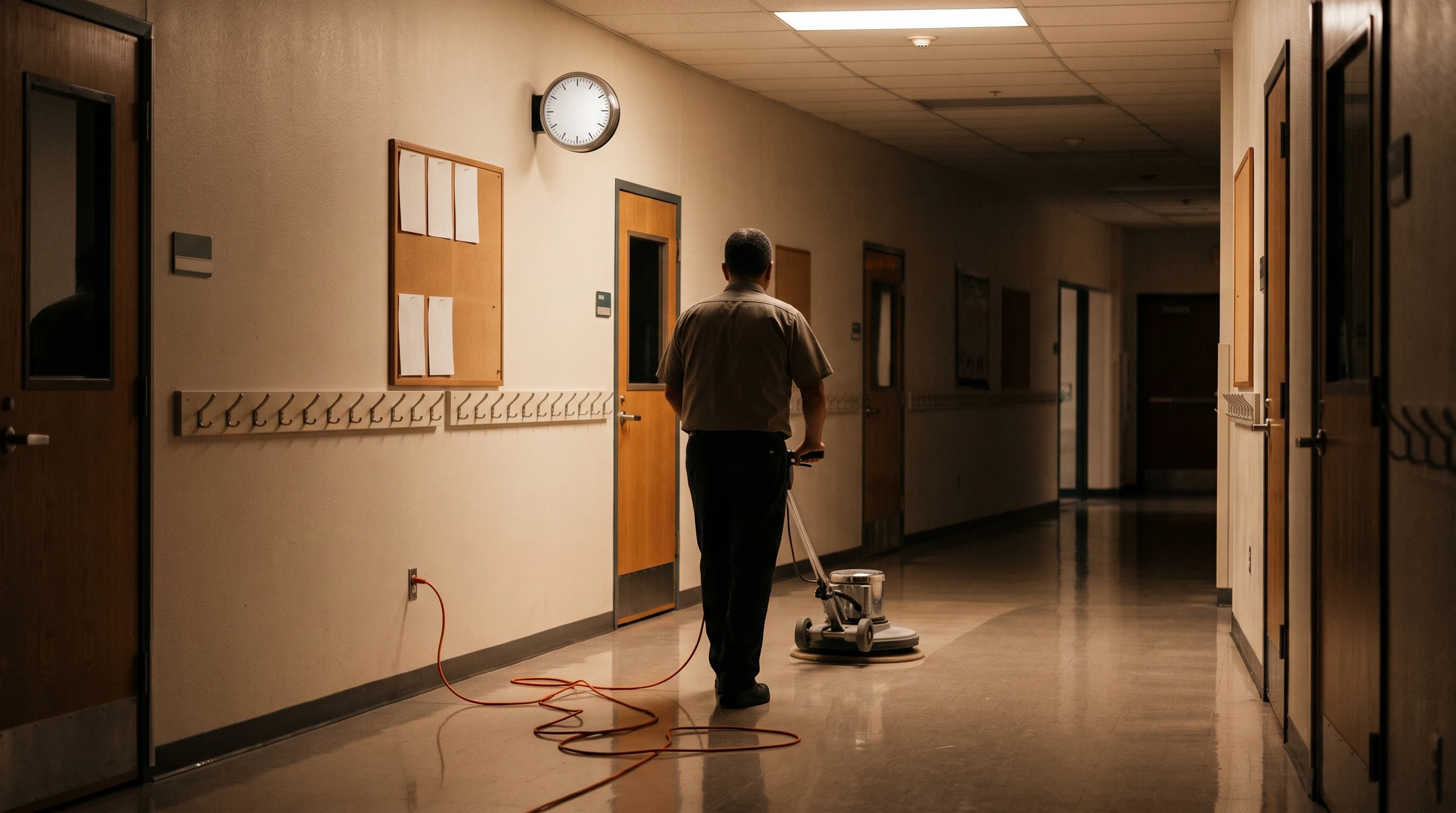
One statutory overlay reaches the whole campus, and it is the one most schools have half-built. Since July 1, 2024, Labor Code §6401.9 has required nearly every California employer to keep a written workplace violence prevention plan, train employees on it, and maintain a violent incident log — the log and related records retained five years, and produced to employees and their representatives within 15 calendar days of a request. A school sits well outside the narrow exemptions: front office open to parents, pickup lines, aftercare, custodial staff working an empty building at night. The common shape is a plan adopted in 2024, training nobody documented, and an empty log — not because incidents don’t happen, but because a front-office incident report never becomes a logged entry with a recorded response. That record is compelled whether or not anyone helps you keep it. The same surface that carries the break record carries the plan acknowledgment, the training file, and the log.
One production package. Hours, not weeks.
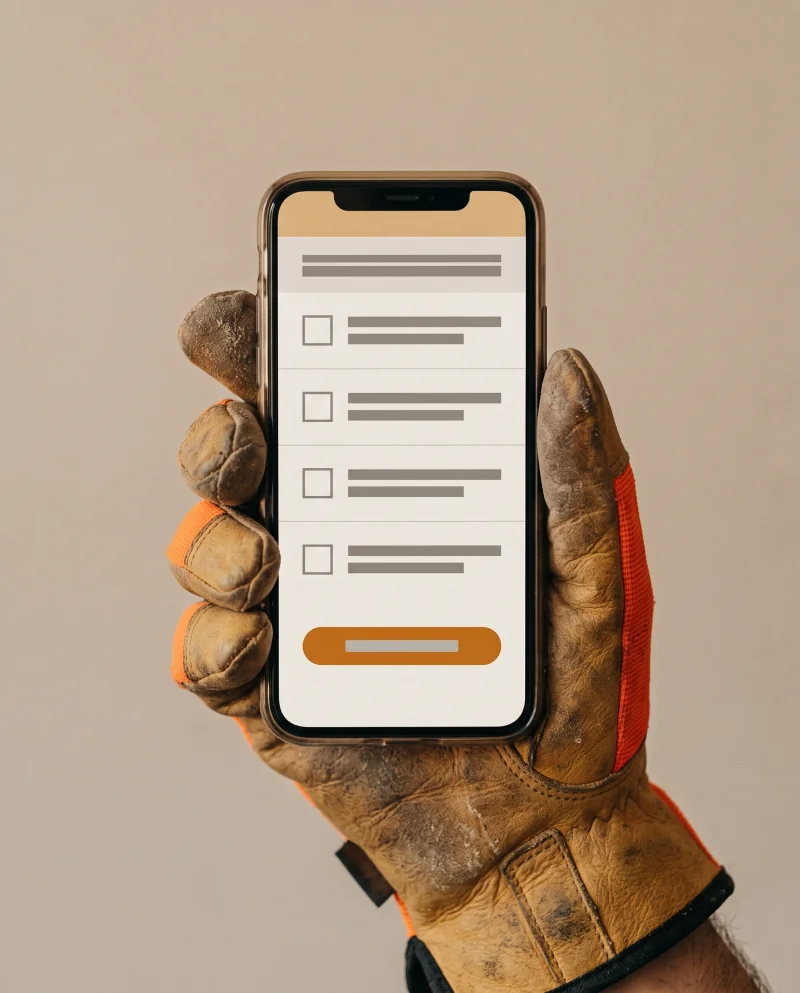
A lawyer’s letter demanding records usually arrives before any lawsuit does, and a §2699 PAGA notice after it. When the letter lands, the authorized custodian of records on your team — not Floburn — exports one production package in hours, not weeks, and authenticates it as the person who has held it all along.
An alert reaches the foreman or dispatcher while the shift is still open, carrying what to do and what to enter — so the break gets taken rather than a premium owed. Entries are captured as the shift happens — timestamped, signature-captured, tamper-evident — not assembled after a claim lands. Payroll, timekeeping, HR, and safety are reconciled into one record, so production is an export from one place rather than a search across several: the payroll records, the timecards with each short break and the premium paid beside it, the written policy your crews acknowledged and each dated per-period sign-off — on a cadence of its own, decoupled from the payroll run — the training completions, and the hazard, heat, and incident records. The records that can go into the package are inventoried with you in the records diagnostic.
The package exists before the letter does — the timeline is a property of how the record is kept, not a promise about your matter. No outcome is guaranteed; every matter turns on its facts.
How production works→What employers in your industry ask us first.
01Our teachers are salaried and exempt. Doesn’t that cover the school?
It covers teachers — if the duties test is met and the salary floor holds. §515.8 pegs that floor to public district salary schedules: 100% of the lowest credentialed-teacher salary offered by any district, or 70% of the local district’s lowest schedule salary. It moves when districts raise pay, so exemption status is an annual check, not a hiring-day decision. And it never covered the aides, aftercare, custodial, food service, or front-office staff — which is where the exposure sits.
02Aftercare and lunch duty run on part-timers. Does this really reach them?
Yes. Part-time hourly employees carry the same meal-and-rest machinery as full-timers — the rules turn on hours worked in the day, not on status. The structural problem is supervision: an aide watching a room can’t take a duty-free 30-minute lunch unless someone covers. Under Donohue v. AMN Services (Cal. 2021), a missed or late period in the time records is presumed a violation. What answers that is evidence about the period itself: a contemporaneous account from the aide, the premium paid where one was owed, and the coverage change recorded alongside it — with a fifth-hour alert that reaches the office in time to send someone in the first place.
03We run FACTS (or Blackbaud). Can’t the attestation live there?
No — and we don’t try to put it there. FACTS SIS and Blackbaud run the student side of the school: enrollment, grades, tuition billing. The wage-and-hour record answers a different question and belongs on the employment side. MicroForensics rides that side — the payroll timeclock and payroll system the school already runs — as a read-only consumer, and routes the attestation each pay period. The admin stack sees no change, and nobody relearns software.
04The business office is two people and the board meets quarterly. Who actually runs this?
Floburn does. We build the flows on your existing timeclock and payroll, operate them, and update the rules as California law changes. The business officer becomes the audit-trail owner — the person who sees exceptions before payroll closes — not a compliance department. Nonprofit status changes none of the underlying wage-and-hour obligations, and a slow board isn’t a blocker: the two-week records diagnostic stands on its own, and some schools take the report and act on it themselves. Timing is the one thing a quarterly board calendar can cost you — Labor Code §2699(g) caps PAGA civil penalties at 15 percent where all reasonable steps were taken before a notice arrives and §2699(h) at 30 percent for remediation within 60 days after, and the window closes when a records request under section 226, 432, or 1198.5 arrives, not when the lawsuit does. The court decides whether the steps were enough.
Free 30-minute discovery call.
Tell us about your timekeeping and payroll stack, your headcount, and what’s prompting the conversation. We’ll tell you whether the records diagnostic makes sense, which way to run it — standard, or through your lawyer — and what to expect if you proceed.
Free · 30 minutes · a fit conversation, not a sales call. If the diagnostic isn’t worth doing, we’ll tell you.
Floburn Inc. is not a law firm and does not provide legal advice. Counsel advises Floburn on system design and does not represent your company; retain your own counsel for advice specific to your situation.