We catch missed breaks, unpaid break premiums, and GPS-attestation conflicts — then chase each one to a documented fix.
MicroForensics, built for California 3PLs, warehouse operators, and last-mile fleets, where three systems each own a slice of the same shift. It sits on top of ADP and Samsara, not under them: telematics, HRIS, and payroll are reconciled into one record, and when a break comes back short or the GPS disagrees with what a driver attested, the exception is raised while the shift is fresh — with the fix entered beside it. And when a lawyer’s letter demanding records arrives, your own authorized custodian of records answers it from one place, the driver-hours record and the §3396 heat plan with it.
Book a discovery call→For the full MicroForensics walkthrough — the statute text, how we close a missed break, how production works — see the parent page. This page shows how it works for logistics crews.
Three structural reasons the logistics shift is hard to reconcile.
Margins tighten, then payroll does.
Fuel costs swing, demand cools, DCs close — and layoffs follow. Each separation triggers §201 / §202 / §203 exposure on top of the wage-and-hour base.
Three data systems that don’t talk.
HRIS, telematics, and WMS each own a slice of the driver’s shift. Plaintiffs’ counsel pulls all three. Where the slices disagree, the employer is answering for the discrepancy years later — instead of having closed it in the pay period it arose.
AB5 still has teeth.
Independent-contractor reclassification matters under AB5 remain active across CA logistics. A misclassified group of drivers is the most expensive PAGA fact pattern available; the related §226 wage-statement exposure compounds the base.
One reconciled record across HRIS, telematics, and WMS.
How it deploys in logistics: your HRIS, telematics, and WMS feed MicroForensics; one reconciled record comes back out. That is what a lawyer’s letter demanding records is answered from — an export from one place, rather than a search across ADP Workforce Now, Samsara, and the WMS.
HRIS & payroll
ADP Workforce Now, Paylocity, UKG. MicroForensics consumes the employee roster, shift schedules, and pay-period boundaries — by API where one exists, by export where one doesn’t — and reconciles the §226 wage statement against the attestation record.
Fleet & driver hours
Samsara, Motive, Geotab. The connector, built per fleet, consumes HOS records, break events, and route segments. GPS data is objective and can contradict an attestation; we reconcile that conflict at capture, while the premium can still be paid, rather than letting it surface in discovery.
WMS & floor systems
Manhattan, Korber, NetSuite WMS, custom. Where the floor system can export pick-pack-ship shift segments and break logs, the connector consumes them. The same per-period attestation closes the loop on both the yard and the floor.
We build the connector for your stack — by API where one exists, by export, SFTP, or structured manual entry where one doesn’t — scoped and priced in the records diagnostic.
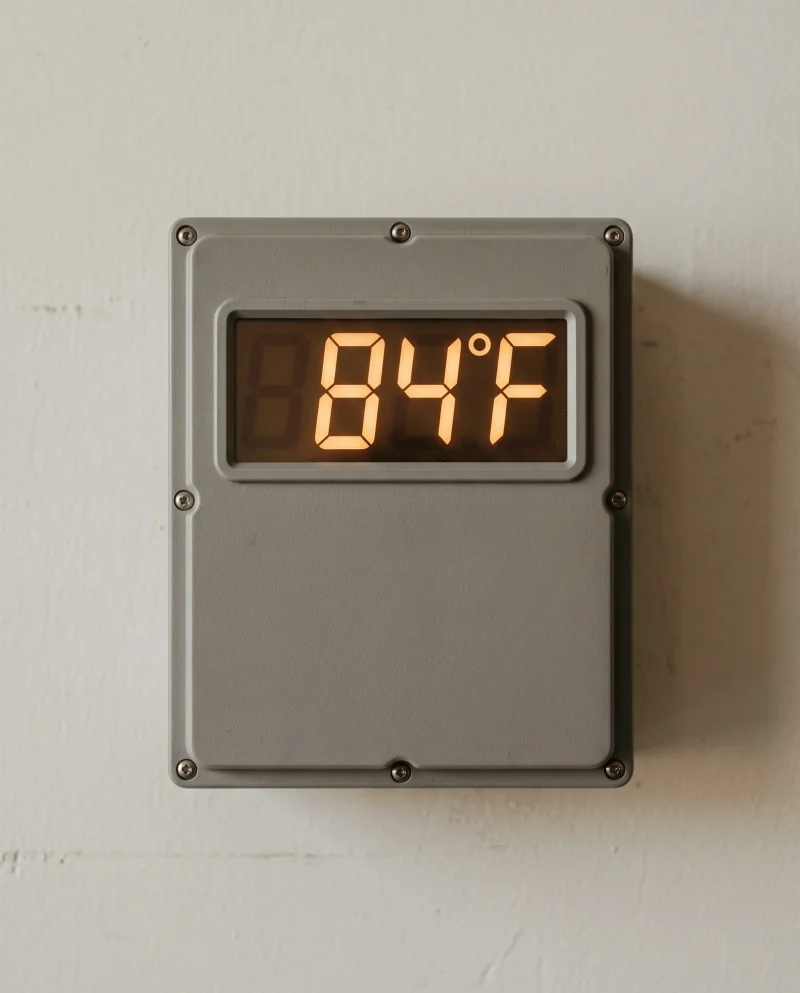
The mandated side reaches the floor, too. Once an indoor workspace crosses the 2024 indoor-heat standard’s 82°F threshold, §3396 requires a written plan, with the training documentation running through the IIPP at 8 CCR 3203(b)(2). SB 553 compels its own set under Labor Code §6401.9 — written plan, training, and the violent incident log, retained five years and produced to employees and their representatives within 15 calendar days. California requires both whether or not anyone helps you keep them, and Cal/OSHA is the agency that enforces them. They run on the same per-period surface as the meal and rest record, so a finding on any of them carries a correction beside it.

One production package. Hours, not weeks.
A lawyer’s letter demanding records usually arrives before any lawsuit does, and a §2699 PAGA notice after it. When the letter lands, the authorized custodian of records on your team — not Floburn — exports one production package in hours, not weeks, and authenticates it as the person who has held it all along.
An alert reaches the foreman or dispatcher while the shift is still open, carrying what to do and what to enter — so the break gets taken rather than a premium owed. Entries are captured as the shift happens — timestamped, signature-captured, tamper-evident — not assembled after a claim lands. Payroll, timekeeping, HR, and safety are reconciled into one record, so production is an export from one place rather than a search across several: the payroll records, the timecards with each short break and the premium paid beside it, the written policy your crews acknowledged and each dated per-period sign-off — on a cadence of its own, decoupled from the payroll run — the training completions, and the hazard, heat, and incident records. The records that can go into the package are inventoried with you in the records diagnostic.
The package exists before the letter does — the timeline is a property of how the record is kept, not a promise about your matter. No outcome is guaranteed; every matter turns on its facts.
How production works→What logistics operators ask us first.
- 01
We use ADP Workforce Now (or Paylocity). Do we have to migrate?
No. MicroForensics sits above your HRIS, timekeeping, and payroll. We build the connector for your stack — ADP Workforce Now, Paylocity, UKG, Gusto, BusyBusy, ExakTime, Samsara, Motive, Geotab, or your combination — by API where one exists, by export or SFTP where one doesn’t, scoped and priced in the records diagnostic. Your stack stays. What the orchestration adds is the four items §2699(g)(2) actually names — periodic payroll audits with action taken in response, lawful written policies, supervisor training on Labor Code and wage order compliance, and corrective action as to supervisors — plus the per-period attestation and a dated, exportable record of all four.
- 02
What’s the security and data-residency posture?
A standard DPA is part of every operated engagement. All data resides in US-region cloud infrastructure; no offshore processing. Encryption in transit and at rest, role-based access controls, audit logging. Procurement questionnaires are answered on request.
- 03
We received a PAGA notice. How much of this can still be done?
Which pathway applies to you is a legal question for your counsel, and we won’t answer it. The structure, and the structure only: the two post-notice pathways are split by headcount. An employer that employed fewer than 100 employees in total during the period covered by the notice may submit a confidential proposal to cure to the agency, under Labor Code §2699.3(c)(2)(A), within 33 days of receiving the notice. An employer not covered by that subparagraph may, under §2699.3(f)(1), request an early evaluation conference and a stay of court proceedings once it has been served with a summons and complaint — filed with or before its responsive pleading, and ordered absent good cause for denying the request in whole or in part. Both reward material that already exists — §2699(g) reaches steps taken before the notice, §2699(h) remediation completed within 60 days after. MicroForensics can be stood up inside that window; the earlier we start, the more of the record is contemporaneous rather than reconstructed.
- 04
Can MicroForensics read from Samsara, Motive, AND Geotab? Our fleet runs on more than one telematics platform.
Yes — each telematics platform is brought in as a separate data source, and driver-hours and break-event records are normalized into one reconciled view. That view is where the conflict check runs: GPS and HOS data are objective, and where they disagree with what a driver attested, the exception is raised while the shift is fresh rather than left to surface in discovery. The base implementation is scoped with one telematics connector; additional connectors are built and added at a fixed per-connector fee, scoped in the records diagnostic.
Free 30-minute discovery call.
A fit conversation, not a sales call. Tell us about your HRIS, telematics, and WMS stack, your headcount, and what’s prompting the conversation. We’ll tell you whether the records diagnostic makes sense, which way to run it — standard, or through your lawyer — and what to expect if you proceed.
Book a discovery callFloburn Inc. is not a law firm and does not provide legal advice. Counsel advises Floburn on system design and does not represent your company; retain your own counsel for advice specific to your situation.