Flag time is recorded to the tenth. Clocked hours and breaks often aren’t.
MicroForensics, built for California dealership service departments and independent repair shops — operators whose job clocks track billed efficiency, not meal periods. California already requires the clocked-hours record, the separately paid §226.2 rest and recovery periods, and the wage statement that itemizes them. What it also requires is the fix entered beside the issue it corrects. A service manager is alerted to a short break and gets it taken while the shift is still open — and when a lawyer's letter demanding records arrives, your own authorized custodian of records answers it from one place, the §226.2 rest-and-recovery records with it. Runs on top of the CDK, Reynolds & Reynolds, Tekmetric, Shopmonkey, or Shop-Ware records you already produce, and the payroll behind them. No new software for the techs or the service lane.
Free · 30 minutes · a fit conversation, not a sales call. If the diagnostic isn’t worth doing, we’ll tell you.
This page shows how it works in your industry. For the full walkthrough — the statute text, how we close a missed break, what the record actually contains — see MicroForensics.
Three structural reasons the exposure in a flag-time shop is the record, not the pay plan.
- 01
Flag-hour pay is piece-rate law.
Gonzalez v. Downtown L.A. Motors (2013), a dealership technician case, is the reason Labor Code §226.2 exists: California treats flag-hour pay as piece-rate work, with rest and recovery periods and non-productive time separately compensated. The statute this industry's own litigation produced now governs flat-rate pay across the state — and it is enforced through records, not intentions.
- 02
The job clock is not a time clock.
Tekmetric, Shopmonkey, and Shop-Ware — and the DMS job clock in a dealership — track billed efficiency against flag hours, not payroll time, and a clock built to track billable flag hours has no reason to capture a meal punch at all. Under Donohue v. AMN Services (Cal. 2021), time records showing missed, short, or late meal periods raise a rebuttable presumption of violation. A record that is simply silent has nothing to rebut it with.
- 03
Mora: the clocked-hours record proved the pay plan.
Mora v. C.E. Enterprises (Cal. Ct. App. 2025) upheld a dealership's hourly-plus-flag pay plan — the holding turned on the plan itself, which paid every clocked hour independent of flag time. What let the shop show that was its record of clocked hours and breaks — a record California required the shop to keep anyway. Amended §2699 runs on the same logic: §2699(g) caps PAGA civil penalties at 15 percent where all reasonable steps were taken before a notice arrives, §2699(h) at 30 percent for remediation within 60 days after, and the court decides whether the steps were enough on the totality of the circumstances. No record, no cap.

What we build on, and what we add.
- Shop management
Job clocks & repair orders
Tekmetric, Shopmonkey, or Shop-Ware in an independent shop; the CDK or Reynolds & Reynolds DMS in a dealership. MicroForensics consumes the clocked hours and repair-order segments those systems already produce — read-only, by API where one exists, by export where one doesn't. Techs, advisors, and porters see no change in the tools they actually touch.
- Payroll
Wage statements & flag pay
Gusto, QuickBooks Payroll, Paylocity, or ADP — whichever runs the pay plan. MicroForensics reconciles the §226 wage statement against the per-pay-period attestation, including the separately paid rest and recovery periods §226.2 requires for flag-hour techs. We don't replace the payroll run.
- The record layer
Attestation & fifth-hour alerts
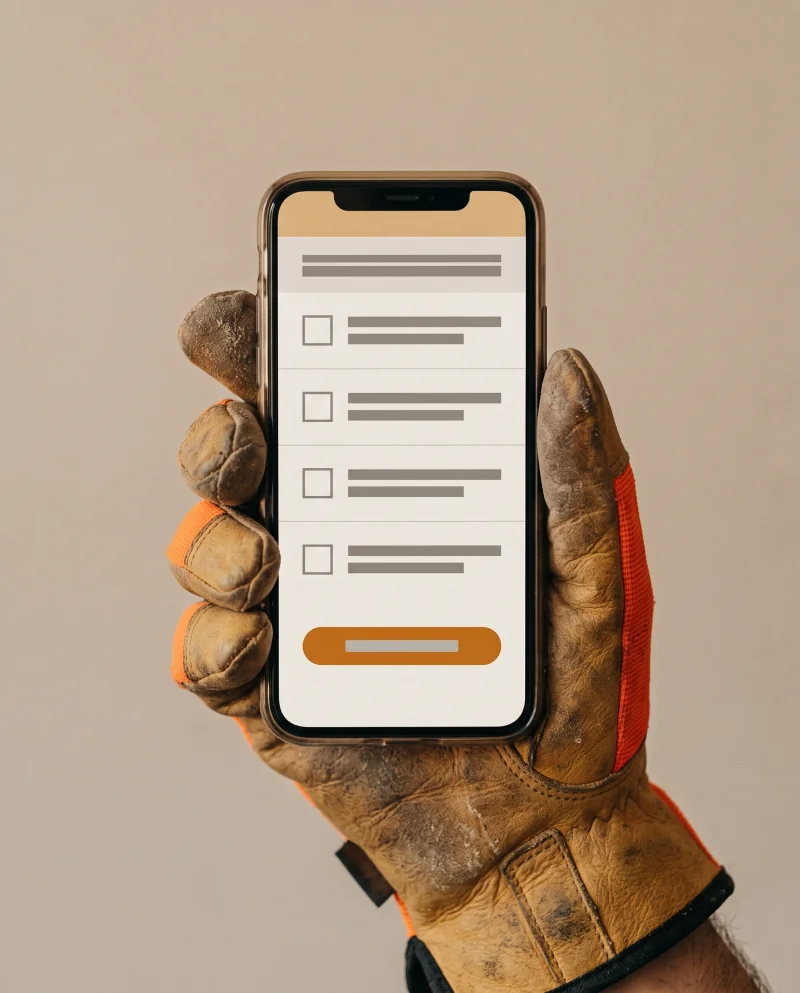
Per-pay-period sign-off, English or Spanish — every tech, advisor, porter, and detailer confirms breaks and hours — plus real-time alerts to the service manager before the §512 fifth-hour window expires. The clocked-hours-and-breaks record the Mora defense was proven with, built deliberately rather than by accident.
We build the connector for your stack — by API where one exists, by export, SFTP, or structured manual entry where one doesn’t — scoped and priced in the records diagnostic.
§226.2 is the overlay specific to flag-time shops. Because Gonzalez made flag-hour pay piece-rate work, rest and recovery periods and other non-productive time must be paid separately from flag hours — a requirement that lives or dies on records. The same per-pay-period attestation carries that record: each flag-hour tech's sign-off confirms the rest periods behind the §226.2 pay actually happened.
One production package. Hours, not weeks.
A lawyer’s letter demanding records usually arrives before any lawsuit does, and a §2699 PAGA notice after it. When the letter lands, the authorized custodian of records on your team — not Floburn — exports one production package in hours, not weeks, and authenticates it as the person who has held it all along.
An alert reaches the foreman or dispatcher while the shift is still open, carrying what to do and what to enter — so the break gets taken rather than a premium owed. Entries are captured as the shift happens — timestamped, signature-captured, tamper-evident — not assembled after a claim lands. Payroll, timekeeping, HR, and safety are reconciled into one record, so production is an export from one place rather than a search across several: the payroll records, the timecards with each short break and the premium paid beside it, the written policy your crews acknowledged and each dated per-period sign-off — on a cadence of its own, decoupled from the payroll run — the training completions, and the hazard, heat, and incident records. The records that can go into the package are inventoried with you in the records diagnostic.
The package exists before the letter does — the timeline is a property of how the record is kept, not a promise about your matter. No outcome is guaranteed; every matter turns on its facts.
How production works→What employers in your industry ask us first.
01We pay our techs on flag hours. Is the pay plan itself the exposure?
Not by itself. Mora v. C.E. Enterprises (Cal. Ct. App. 2025) upheld a dealership's hourly-plus-flag pay plan — the holding turned on the plan paying every clocked hour, and the record of clocked hours and breaks, kept independent of flag time, is what proved it. The exposure in a flag-time shop is the record that isn't there. MicroForensics builds the clocked-hours and attestation record on the pay plan you already run — it doesn't ask you to change the plan.
02Our DMS (or Tekmetric) already clocks every job. What does MicroForensics add?
A job clock is built for flag hours and billed efficiency. MicroForensics sits on top of Tekmetric, Shopmonkey, Shop-Ware, or the dealership DMS as a read-only consumer and adds the clocked-hours-and-breaks record California requires you to keep, the technician's own contemporaneous sign-off on it in English or Spanish, and the entry showing what was paid or fixed when a break went missing — because it is silence the Donohue v. AMN Services presumption reads against the employer. Your shop-management system stays exactly as it is.
03Does this cover porters, detailers, and lube techs, or just the flag-hour techs?
The whole hourly roster. Flag-hour techs carry the §226.2 piece-rate overlay, but the meal-and-rest record matters for every W-2 hourly employee — and bilingual attestation matters most in the detail, lot, and lube crews, and across independent and body shops. Everyone signs the same per-pay-period record, English or Spanish, on a phone or on paper; both flow into the same audit trail.
04We're one store in a dealer group. Are we the right size for this?
MicroForensics is built for small and mid-sized California employers with hourly W-2 workforces, counted at the actual W-2 employer. A NADA-average store runs about 65 employees — squarely the size we build for on its own — but a store inside a multi-store group may not be its own employer, depending on how the group papers employment. That's the first question we settle on the discovery call; if the group is the employer, we'll say so and take the conversation to the group level.
Free 30-minute discovery call.
Tell us about your timekeeping and payroll stack, your headcount, and what’s prompting the conversation. We’ll tell you whether the records diagnostic makes sense, which way to run it — standard, or through your lawyer — and what to expect if you proceed.
Free · 30 minutes · a fit conversation, not a sales call. If the diagnostic isn’t worth doing, we’ll tell you.
Floburn Inc. is not a law firm and does not provide legal advice. Counsel advises Floburn on system design and does not represent your company; retain your own counsel for advice specific to your situation.