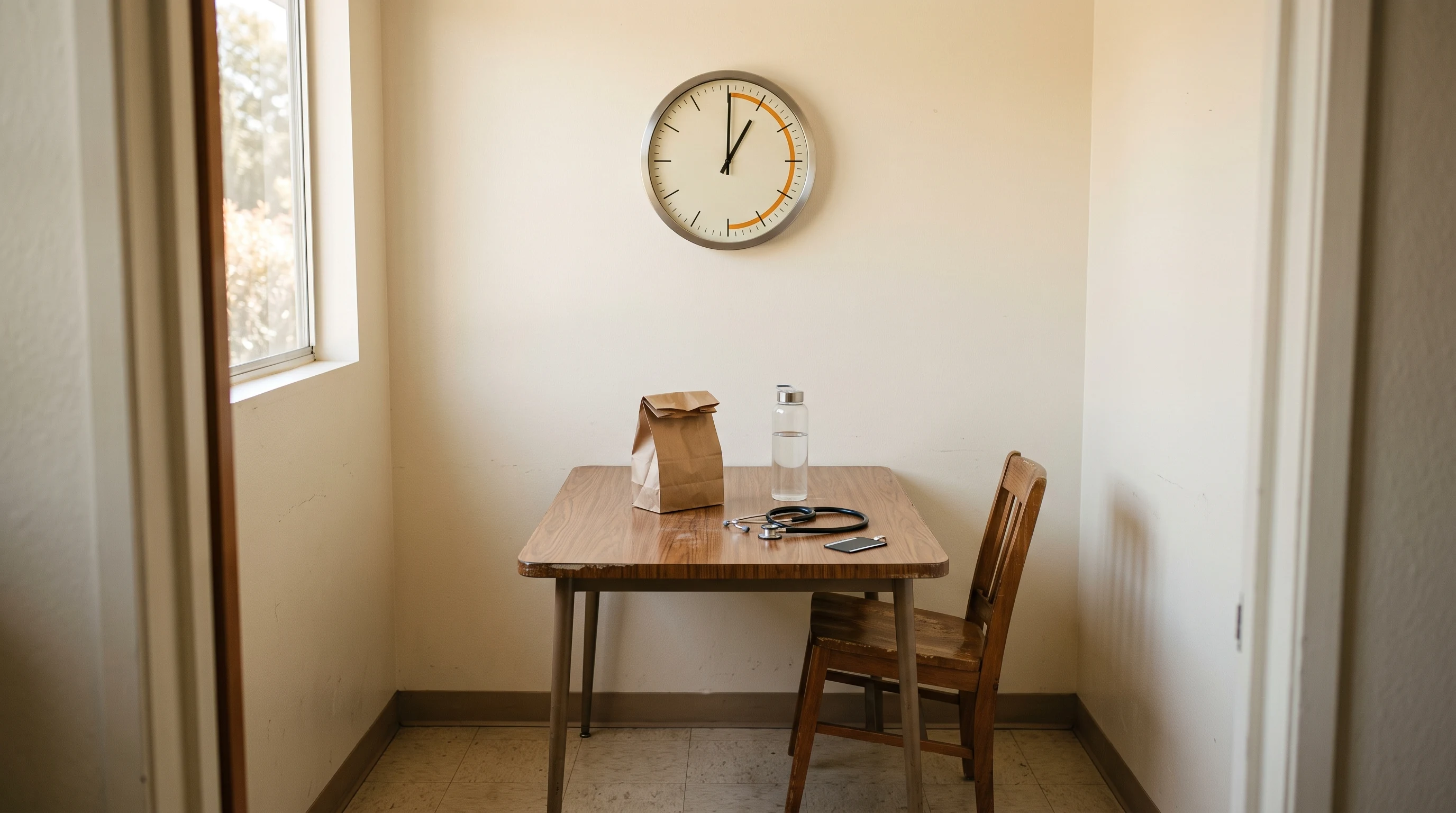
The clock deducts thirty minutes whether or not anyone took them.
MicroForensics, built for independent clinics and medical groups — a recurring presence in California PAGA notice data, on claims as ordinary as a meal period nobody can document. California already requires the time record behind that deduction, the wage statement built on it, and a workplace violence prevention plan, training, and log. What it also requires is the fix entered beside the issue it corrects. A practice manager is alerted to a short break and gets it taken while the shift is still open — and when a lawyer's letter demanding records arrives, your own authorized custodian of records answers it from one place, the workplace violence plan and log with it. Runs on the ADP, Paylocity, or Gusto payroll you already produce; the appointment schedule your front office runs stays untouched.
Free · 30 minutes · a fit conversation, not a sales call. If the diagnostic isn’t worth doing, we’ll tell you.
This page shows how it works in your industry. For the full walkthrough — the statute text, how we close a missed break, what the record actually contains — see MicroForensics.
Three structural reasons clinic records fail when a PAGA notice tests them.
- 01
The auto-deducted meal period.
Clinic timekeeping commonly deducts 30 minutes whether or not the MA got the break — patients run late, the schedule compresses, someone works through — and the record is silent either way. Under Donohue v. AMN Services (Cal. 2021), time records showing missed, short, or late meal periods count against the employer unless rebutted. A silent record gives you nothing to rebut with.
- 02
Ordinary claims, with the payroll to match.
Ambulatory healthcare is a recurring presence in California PAGA notice data — no citable table ranks the categories — and the claims that surface are ordinary: meal periods, wage statements, and a deduction nobody can document. Payroll of roughly $79.6k per employee (CBP 2023) reads, from the other side of the table, as ability to pay — exposure that has nothing to do with being a bad actor.
- 03
The schedule compresses; the deduction doesn't.
An appointment-driven day has no natural break discipline: templates double-book, patients run late, and the lunch block is the buffer that absorbs it — the MA rooms one more patient, the front desk covers phones through lunch. The practice-management system runs the grid, not the time record, and the payroll clock shows a clean 30-minute deduction regardless of what actually happened.
What we build on, and what we add.
- Practice management
The schedule stays where it is.
athenahealth, eClinicalWorks, NextGen — the appointment grid keeps running your day, and MicroForensics never touches it. The record we build lives on the timekeeping and payroll side, where the exposure lives. Your providers and front office see no new clinical software.
- Payroll & timekeeping
ADP, Paylocity, Gusto — unchanged.
MicroForensics reconciles your wage statements (§226) against the per-period attestation; we don't replace the payroll run. Clinic stacks need custom connector work per client — we scope and price it in the records diagnostic, before you commit. Where APIs don't exist, exports land on the same audit trail.
- The attestation layer
The record the deduction never made.
Every pay period, MAs, front office, phlebotomists, and techs sign off — in English or Spanish — that breaks were taken and hours are right, ending the silence behind the blanket 30-minute deduction. Fifth-hour alerts still run for urgent-care and long clinic days, but here the per-pay-period signature is the load-bearing artifact.
We build the connector for your stack — by API where one exists, by export, SFTP, or structured manual entry where one doesn’t — scoped and priced in the records diagnostic.
Two overlays reach a practice this size. SB 525's health-care minimum wage began phasing in on October 16, 2024 and steps up on schedules that differ by facility type; its covered-facility definitions reach licensed clinics, urgent care clinics, and physician groups of 25 or more physicians, and each step raises the stakes on a recorded miss — same records, higher floor. The second is the workplace violence record, and which statute writes it turns on your license: most California employers owe a written plan, training, and a violent incident log under Labor Code §6401.9, retained five years and produced to employees and their representatives within 15 calendar days of a request, while facilities covered by Cal/OSHA's health care standard (8 CCR 3342) owe their own plan, training, and violent incident log instead. The diagnostic confirms which one reaches you. Either way it is a compelled record — and the entry that never gets made is what was done about the incident.
One production package. Hours, not weeks.
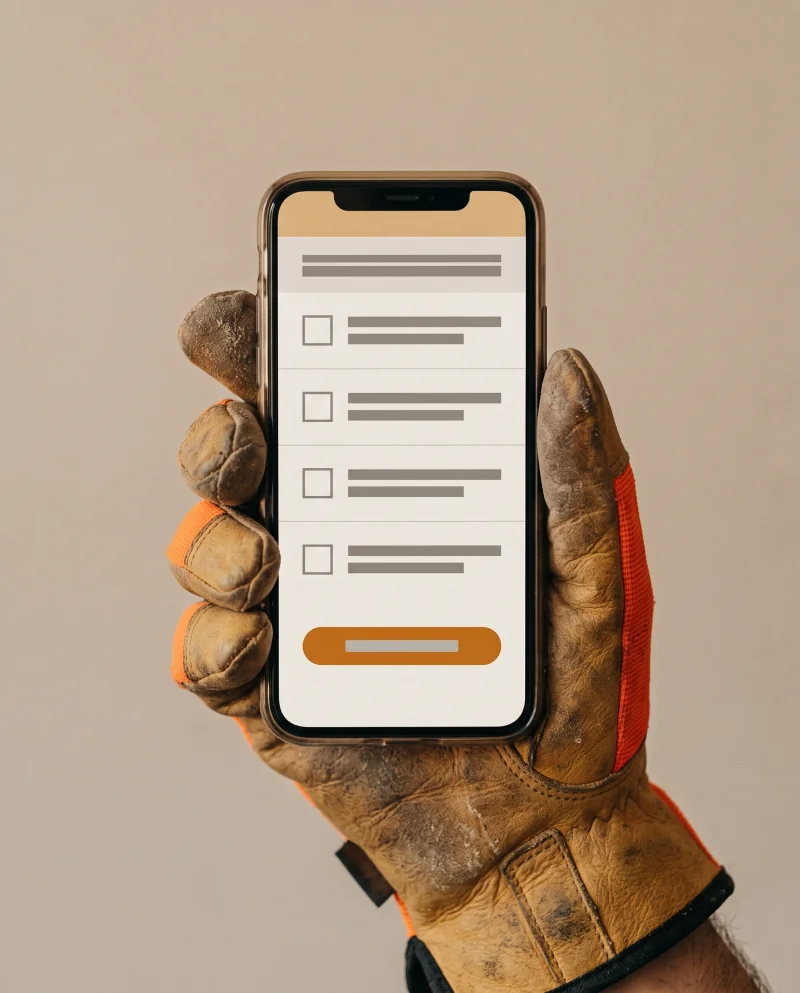
A lawyer’s letter demanding records usually arrives before any lawsuit does, and a §2699 PAGA notice after it. When the letter lands, the authorized custodian of records on your team — not Floburn — exports one production package in hours, not weeks, and authenticates it as the person who has held it all along.
An alert reaches the foreman or dispatcher while the shift is still open, carrying what to do and what to enter — so the break gets taken rather than a premium owed. Entries are captured as the shift happens — timestamped, signature-captured, tamper-evident — not assembled after a claim lands. Payroll, timekeeping, HR, and safety are reconciled into one record, so production is an export from one place rather than a search across several: the payroll records, the timecards with each short break and the premium paid beside it, the written policy your crews acknowledged and each dated per-period sign-off — on a cadence of its own, decoupled from the payroll run — the training completions, and the hazard, heat, and incident records. The records that can go into the package are inventoried with you in the records diagnostic.
The package exists before the letter does — the timeline is a property of how the record is kept, not a promise about your matter. No outcome is guaranteed; every matter turns on its facts.
How production works→What employers in your industry ask us first.
01We auto-deduct 30 minutes for lunch — every clinic does. What's actually wrong with that?
A deduction isn't proof anyone took the break — the system takes 30 minutes out whether the break happened or not, and the record is silent either way. Under Donohue v. AMN Services (Cal. 2021), time records showing missed, short, or late meal periods count against the employer unless rebutted, and a silent record gives you nothing to rebut with. The fix isn't necessarily abandoning the deduction; it's ending the silence — a per-pay-period sign-off with an exception path when the break didn't happen, the premium paid when one is owed, and a dated note of what changed in the template. Labor Code §2699(g) caps PAGA civil penalties at 15 percent where the employer took all reasonable steps before a notice arrives, §2699(h) at 30 percent for remediation within 60 days after, and reasonableness is judged on the totality of the circumstances, taking into account the size and resources available to the employer.
02Our staff signed meal-period waivers at hire. Doesn't that cover us?
Health-care waivers are real — Gerard v. Orange Coast Memorial Medical Center (Cal. 2018) upheld Wage Order 5's second-meal waiver for health care employees even on shifts past twelve hours. But a waiver signed at hire is policy: it says nothing about whether any particular break in any particular pay period was taken, owed, or knowingly skipped. The Donohue presumption attaches to the time records themselves. The waiver and the per-period attestation are different documents; a defense wants both.
03We run athenahealth for the schedule and ADP for payroll. What does MicroForensics actually connect to?
The payroll and timekeeping side — ADP, Paylocity, Gusto — not the practice-management system; the appointment grid stays untouched. We're direct about the engineering: clinic stacks need custom connector work per client, and we scope and price that in the records diagnostic before you commit. Where an API exists we use it; where it doesn't, exports and structured manual entry flow into the same timestamped audit trail.
04Does SB 525's health-care minimum wage even apply to a practice our size?
It turns on the statute's covered-facility definitions, not headcount alone — licensed clinics, urgent care clinics, and physician groups of 25 or more physicians are among the covered types, each on its own phase-in schedule; the first step took effect October 16, 2024. Coverage is worth confirming for your specific facility. Either way, the wage floor only changes the price of a recorded miss — the record question is the same.
Free 30-minute discovery call.
Tell us about your timekeeping and payroll stack, your headcount, and what’s prompting the conversation. We’ll tell you whether the records diagnostic makes sense, which way to run it — standard, or through your lawyer — and what to expect if you proceed.
Free · 30 minutes · a fit conversation, not a sales call. If the diagnostic isn’t worth doing, we’ll tell you.
Floburn Inc. is not a law firm and does not provide legal advice. Counsel advises Floburn on system design and does not represent your company; retain your own counsel for advice specific to your situation.